Showing posts with label National Arboretum. Show all posts

Monday, April 28, 2008

Cuts for the National Arboretum

Longtime readers will know that the National Arboretum was one of my favorite birding spots when I lived in D.C. and that I visited very frequently. It has the highest number of posts of any birding site with its own label. Over the weekend, I read some sad news about it. The National Arboretum faces severe cuts in its already underfunded budget.

Next year's proposed budget for the federally funded institution has been cut by $2 million, targeted at the arboretum's public face. The amount is small in the scheme of things, but it would reduce funding by 60 percent for the arboretum's public programming and the care of its rich garden displays and pioneering plant collections.

This comes after almost a decade of funding erosion: The operating budget has shrunk 20 percent in five years. A master plan to fix crumbling infrastructure and forge a future has remained essentially unfunded for eight years. Even if next year's money is restored, the arboretum will continue to suffer from years of chronic underfunding and the absence of capital investment.

Members of the Friends of the National Arboretum, a largely volunteer support group, say the reductions would force closure on weekends, when 70 percent of the visitors come; curtail classes, tours and exhibits; close part of the National Bonsai and Penjing Museum, with its world-class display of miniature trees; and abandon important plant collections cultivated for decades.
I have trouble believing that the Arboretum would be closed on weekends; one or two weekdays seem more likely candidates for closure if it came to that. The fact that this is a topic of conversation, though, is disturbing. As the article mentions, many of the road surfaces and pathways could use better maintenance or resurfacing. Trails in the Asian Gardens are in particularly bad shape. This did not bother me, but it did prompt the staff to close several trails. Potentially it makes visits more uncomfortable for people who have difficulty walking.

Some of the Arboretum's supporters believe that the underfunded budget creates cosmetic problems that discourage potential visitors from coming.
"I don't know that many cities that have 450 acres of pristine land," said Eric Price, senior vice president of Abdo Development, which is building Arbor Place. "One of the reasons we wanted to build this neighborhood is to make that connection to the arboretum . . . D.C.'s Central Park, if you will."
Also:
Compared with other major botanical gardens, the National Arboretum has a smaller staff and less funding. It also draws fewer visitors, and FONA members say that if it were fully funded and polished, it would attract larger crowds. The U.S. Botanic Garden at the foot of the Capitol, reopened in 2001 after major renovation, now attracts nearly a million visitors, up from 750,000.
There is something to that, since tourists are more likely to make a point of visiting something that looks inviting. But it is not the end of the story. One of the major differences between the Arboretum and both the U.S. Botanical Garden and Central Park is access. Central Park and, to a lesser degree, the U.S. Botanical Gardens are located in close proximity to multiple subway stations, as well as numerous bus routes. The National Arboretum, on the other hand, is served by exactly one bus route (the B2), ever since Metro cut another route (the x6) that connected the Arboretum directly to Union Station. Ease of access is more comparable to the New York Botanical Garden, which lies far from the city center, but even that is served by both subway stations and commuter rail. Even with cosmetic improvements, the Arboretum would likely still fall short of other major gardens' visitation rates without improvements to its accessibility.

Both the Arboretum's budget cuts and its inaccessibility fall into a more serious pattern. There is a disregard for infrastructure at all levels of government. (I use the term "infrastructure" broadly – for both physical infrastructure like transportation systems, and public institutions like research centers.) This manifests in some cases as a failure to maintain existing infrastructure, including recreation and research institutions like the National Arboretum. Governments consistently fall to the temptation of kicking the maintenance can down the road for a few more years, and we all suffer as a result.

It also includes as a reluctance to build new infrastructure or expand what already exists. In this case, D.C.'s Metro system could serve more people and expand economic growth outside the downtown if new lines were built. If this plan were implemented, for example, it would improve accessibility to the National Arboretum and other parts of NE Washington. However, this is unlikely to happen when even maintenance funding for existing services gets sabotaged in the U.S. Senate, and the system's three jurisdictions squabble over funding priorities.

It is understandable that governments might cut back in times of economic trouble, like we have now. The trend of cutting or shortchanging infrastructure, though, stretches back over several decades, through both good times and bad. This reluctance to fund public works and institutions needs to change, and soon. As we have seen from recent incidents, neglect of infrastructure creates unnecessary hazards and wastes resources. It also hampers our ability to respond to new challenges like climate change. Reducing greenhouse gas emissions will require investment in new public works: e.g., cleaner power generation and more mass transit to reduce reliance on automobiles. Likewise, coping with rising sea level and other hazards will require careful planning and major changes to some existing infrastructure, especially around major coastal population centers. These things will not happen unless infrastructure funding becomes a priority.

Sunday, June 24, 2007

End of the Line

Yesterday was the last day of service for the X6, the shuttle bus route from Union Station to the National Arboretum.

X6 National Arboretum Line
Service will be discontinued due to low ridership.
The only public transportation to the Arboretum is now the B2, which connects to the Blue and Orange Lines at the Stadium-Armory station, and to other bus routes.

Saturday, June 23, 2007

Birding at the Arboretum

This morning I met Niko, a DC Birding Blog reader, for a few hours of birding at the National Arboretum. We covered most of my usual route, from the visitor center to the Anacostia and back. Many birds are still singing, including chipping sparrows, common yellowthroats and northern parulas, both of which we saw or heard in multiple locations. A belted kingfisher dove for fish in the small pool in front of the columns, and a killdeer was in the small muddy patch nearby.

There was an indigo bunting singing at the end of the Asian Gardens path to the river. We found it perched on top of one of the taller bamboo stalks. I chased after a brown and yellow bird that I suspected might be a chat, but it eluded us. My view was not good enough to be sure that it was not a yellowthroat, but it seemed larger. As we walked down the river trail, we saw two osprey and a great egret in flight.

I should note that the red-tailed hawk we saw from the Asian Gardens is the first red-tailed hawk that I have seen in D.C. in the period between the beginning of May and the end of July. That helps answer my question about their breeding season status in the District.

BIRD SPECIES: 45
Great Egret
Canada Goose
Mallard
Turkey Vulture
Osprey
Red-shouldered Hawk
Red-tailed Hawk
Killdeer
Mourning Dove
Yellow-billed Cuckoo
Chimney Swift
Belted Kingfisher
Red-bellied Woodpecker
Hairy Woodpecker
Eastern Phoebe
Northern Rough-winged Swallow
Barn Swallow
Carolina Wren
Gray Catbird
Northern Mockingbird
Brown Thrasher
Eastern Bluebird
Wood Thrush
American Robin
Blue-gray Gnatcatcher
Carolina Chickadee
Tufted Titmouse
Blue Jay
Fish Crow
European Starling
Warbling Vireo
Red-eyed Vireo
Northern Parula
Common Yellowthroat
Eastern Towhee
Chipping Sparrow
Field Sparrow
Song Sparrow
Northern Cardinal
Indigo Bunting
Common Grackle
Brown-headed Cowbird
House Finch
American Goldfinch
House Sparrow

Saturday, June 16, 2007

Blue Grosbeaks Under Blue Skies

This morning I returned to the National Arboretum to look for breeding birds. I decided to focus my attention on some of the fields and scrubby areas, since I had been neglecting them during the past month. I had some particular target birds in mind. One of them, the blue grosbeak, made its presence known right away. Several males were singing in the small fields behind the columns. I finally caught a look at one as it sang high in one of the oak trees. I love seeing this species at the Arboretum, not only for its bright blue plumage, but also because blue grosbeaks are relatively rare breeders in the District. In the same general area, I could hear the songs of common yellowthroats and indigo buntings.

On my way past the lilac area, I found an acadian flycatcher constructing a nest about ten feet over the road. It seemed a little late for a migrant bird to be starting its breeding, so perhaps this is a second brood. According to The Birder's Handbook, acadian flycatchers will produce two broods; the 1983 edition of the Maryland breeding bird atlas states that they will lay eggs until August 3. This nest was in the early stages, with only an outline made with catkins.

Proceeding to Beech Spring Pond (the larger of the two ponds), I sat down in the grass to see what birds might present themselves. A small flock of cedar waxwings contested the top of a baldcypress on the far side of the pond. I could hear an eastern kingbird in the tree above me while a small group of tufted titmice and carolina chickadees chattered in a tree nearby.

I only walk about a third of the river trail since I was not thrilled about the idea of spending long periods in the sun. The meadow near the south end hosted at least one pair of nesting indigo buntings. They must have a nest very close to the path because the male on one side of the path and the female on the other side - the latter holding a small caterpillar - were both scolding me as I passed. When I moved on from there, I was treated to a pair of great crested flycatchers. These colorful birds are more often heard than seen since their gray backs and ruddy tails blend into the forest environment, and their lemon colored breasts become countershading. In this case, the two birds sat out in the open at eye level for a long time, so it easily made up for all the times I have had only a simply wheeeeep! to mark their presence.

Dragonflies and butterflies have been out and about. As bird songs start to wind down, I will start paying more attention to them. The best areas for both large insects are in the unmown meadows, particularly around the columns and along the river trail. In the lilac area, I saw a little wood-satyr and had my best look ever at an eastern tailed blue. These tiny butterflies are quite common; they are the bluish-grayish butterflies that flutter at your feet as you walk through a grassy meadow. I missed my favorite dragonfly, the twelve spotted skimmer, but had nice looks at both black and red saddlebags near the columns, as well as several other odonates throughout the Arboretum.

As Reya noted, today was a gorgeous day in Washington; it was sunny and not too hot yet. From a birding perspective, the day was even better. Most birds were still singing, and beautiful birds were plentiful in all corners of the Arboretum.

BIRD SPECIES: 45
Canada Goose
Mallard
Red-shouldered Hawk
Mourning Dove
Yellow-billed Cuckoo
Chimney Swift
Ruby-throated Hummingbird
Belted Kingfisher
Red-bellied Woodpecker
Downy Woodpecker
Hairy Woodpecker
Northern Flicker
Eastern Wood-Pewee
Acadian Flycatcher
Eastern Phoebe
Great Crested Flycatcher
Eastern Kingbird
Barn Swallow
Cedar Waxwing
Carolina Wren
Gray Catbird
Northern Mockingbird
Brown Thrasher
Wood Thrush
American Robin
Blue-gray Gnatcatcher
Carolina Chickadee
Tufted Titmouse
Blue Jay
American Crow
Fish Crow
European Starling
Red-eyed Vireo
Northern Parula
Common Yellowthroat
Eastern Towhee
Chipping Sparrow
Song Sparrow
Northern Cardinal
Blue Grosbeak
Indigo Bunting
Red-winged Blackbird
Common Grackle
Brown-headed Cowbird
American Goldfinch

BUTTERFLIES: 8
Eastern Tiger Swallowtail
Cabbage White
Clouded Sulphur
Eastern Tailed-Blue
Variegated Fritillary
Great Spangled Fritillary
Red Admiral
Little Wood-Satyr

ODONATES: 8
Ebony Jewelwing
Spangled Skimmer
Widow Skimmer
Common Whitetail
Blue Dasher
Eastern Amberwing
Black Saddlebags
Red Saddlebags

Sunday, May 20, 2007

Olive-sided Flycatcher at the Arboretum

This afternoon I visited the Arboretum to see if there were any new migrants there. I took a leisurely walk through the Azalea Garden trails. Like yesterday at Rock Creek, there were many Swainson's thrushes on the ground, including a few that were singing. On the south slope, I found a gray-cheeked thrush. All corners of the hill were well-stocked with yellow-billed cuckoos. The south side had a nice mix of warblers, including several black-throated blue warblers, redstarts, and northern parulas. One Canada warbler was singing from low in the underbrush. The same trail had a trio of grungy-looking white-throated sparrows. They must have missed their flight north.

The highlight of my walk was an olive-sided flycatcher. It was perched at the top of the tall snag at the parking lot across from the columns.

The meadow around the columns has been left unmowed this spring. Last year several mown trails crossed through the middle of the field, but this year the only trails are around the edges. So far the longer grass has been attractive enough to keep a bobolink singing there for several weeks.

SPECIES SEEN: 46

Ring-billed Gull
Yellow-billed Cuckoo
Chimney Swift
Belted Kingfisher
Red-bellied Woodpecker
Downy Woodpecker
Olive-sided Flycatcher
Eastern Wood-Pewee
Acadian Flycatcher
Great Crested Flycatcher
Eastern Kingbird
Carolina Wren
Gray Catbird
Northern Mockingbird
Brown Thrasher
Gray-cheeked Thrush
Swainson's Thrush
Wood Thrush
American Robin
Blue-gray Gnatcatcher
Tufted Titmouse
Blue Jay
American Crow
European Starling
House Sparrow
Warbling Vireo
Red-eyed Vireo
American Goldfinch
Northern Parula
Black-throated Blue Warbler
Blackburnian Warbler
Bay-breasted Warbler
Blackpoll Warbler
American Redstart
Ovenbird
Canada Warbler
Eastern Towhee
Chipping Sparrow
Song Sparrow
White-throated Sparrow
Northern Cardinal
Indigo Bunting
Bobolink
Common Grackle
Brown-headed Cowbird
Baltimore Oriole

Saturday, May 05, 2007

Migrant Songbirds at the Arboretum

When I arrived at the Arboretum this morning I was greeted with the fullest chorus of song that I have experienced this spring. Granted, it was not the full dawn chorus, since the Arboretum does not open early enough for that, but it was an active one. Yellow-rumped warblers took the lead in the singing. Their cycling songs resounded throughout the Azalea Gardens and any other wooded spot.

Azaleas in full bloom

The Azalea Gardens and its associated trails held many migrant birds. I heard northern parula, worm-eating, black-throated blue, and black-throated green warblers. Ovenbirds and wood thrushes sang from several locations on the hill, but I never managed to catch sight of either. A black-and-white warbler, red-eyed and yellow-throated vireos, a scarlet tanager, and a Baltimore oriole deigned to make themselves visible. As I walked down the south side of Mt. Hamilton, I met other birders who drew my attention to a buzzy, ascending song. After listening for a while, I concurred with their identification of it as a cerulean warbler.

The full complement of tyrant flycatchers are back. I saw most of them around Fern Valley and its nearby meadows. Those meadows had some other interesting birds. Indigo buntings were present in good numbers. Deep in the lilac meadow there was a female blue grosbeak. I thought I could hear a male singing nearby, but never found him. A pleasant surprise was a bobolink singing from the top of a baldcypress next to the Capitol columns. While I was watching the bobolink, two orchard orioles whizzed by in the midst of a hormone-driven sparring match.

BIRD SPECIES: 57

Black Vulture
Turkey Vulture
Bald Eagle
Red-shouldered Hawk
Killdeer
Ring-billed Gull
Rock Pigeon
Mourning Dove
Yellow-billed Cuckoo
Chimney Swift
Downy Woodpecker
Northern Flicker
Eastern Wood-Pewee
Acadian Flycatcher
Eastern Phoebe
Great Crested Flycatcher
Eastern Kingbird
Northern Rough-winged Swallow
Barn Swallow
Carolina Wren
Gray Catbird
Northern Mockingbird
Brown Thrasher
Wood Thrush
American Robin
Blue-gray Gnatcatcher
Carolina Chickadee
Tufted Titmouse
White-breasted Nuthatch
Blue Jay
American Crow
European Starling
Yellow-throated Vireo
Red-eyed Vireo
American Goldfinch
Northern Parula
Black-throated Blue Warbler
Yellow-rumped Warbler
Black-throated Green Warbler
Cerulean Warbler
Black-and-white Warbler
Worm-eating Warbler
Ovenbird
Scarlet Tanager
Eastern Towhee
Chipping Sparrow
Song Sparrow
White-throated Sparrow
Northern Cardinal
Blue Grosbeak
Indigo Bunting
Bobolink
Red-winged Blackbird
Common Grackle
Brown-headed Cowbird
Baltimore Oriole
Orchard Oriole

Additional note: Last night I spotted a Louisiana waterthrush at the Indian Museum. The water level in the "wetlands" is down, so it would not surprise me to find some shorebirds passing through.

Saturday, February 17, 2007

GBBC Day 2: National Arboretum

Today I counted birds for the Great Backyard Bird Count at the National Arboretum. One may object that the Arboretum is not my backyard, but the name of the count is not meant to be restrictive. I got a late start, but still managed to cover most of my usual areas.

The snow that fell on Tuesday and Wednesday is still present, but now it is covered with impenetrable ice. The icy conditions made it difficult to venture off the roadways, so I was not able to cover some birdy areas as thoroughly as I would have liked. For example, I did not venture into the Azalea Garden or Fern Valley, and I did not risk the steep trails of the Asian Gardens. Most water was frozen over, except for a few fast-running streams. The frozen water includes the Anacostia River, which was frozen across.

One of my goals today was to find the great horned owls that I had seen there before. Unfortunately, their roost was one of the areas made most inaccessible by ice. After slipping a couple times and then falling flat on my face, I decided to move on and look for other birds. A kestrel, seen near the columns, made up for missing the owls. Other good sightings included a brown thrasher and a yellow-bellied sapsucker near the Asian Gardens, cedar waxwings near Heart Pond, and field sparrows near the columns. Somehow, two belted kingfishers have managed to survive several weeks of freezing temperatures. This was the first visit to the Arboretum this year when I have not seen any eastern phoebes. I hope that they moved south rather than perishing. Robins, of course, were in their usual large winter flocks.

I ended up seeing just a few species short of what we saw on the Christmas Bird Count in the Arboretum. Here is my report from today:

Mallard3
Turkey Vulture1
Cooper's Hawk1
Red-tailed Hawk1
American Kestrel1
Ring-billed Gull20
Rock Pigeon50
Belted Kingfisher2
Red-bellied Woodpecker5
Yellow-bellied Sapsucker1
Downy Woodpecker2
Northern Flicker3
Pileated Woodpecker3
Blue Jay20
American Crow35
Fish Crow3
Carolina Chickadee4
Tufted Titmouse8
White-breasted Nuthatch9
Carolina Wren10
Eastern Bluebird9
American Robin350
Northern Mockingbird9
Brown Thrasher1
European Starling25
Cedar Waxwing7
Eastern Towhee6
Field Sparrow4
Song Sparrow2
White-throated Sparrow90
Dark-eyed Junco90
Northern Cardinal21
American Goldfinch18

As of now, D.C. is up to 45 species and 2,598 individuals on 21 checklists for the GBBC. Track updated results here. A map with the distribution of reports is below. It is still rather northwest-heavy.

Sunday, January 28, 2007

Arboretum Walk

Yesterday morning I met with a friend for a walk in the National Arboretum. It was a quiet morning, with less human activity than usual until the day warmed significantly. The birds were out, though, in good numbers. We covered my usual circuit to the Anacostia and back, with a detour through the Azalea Gardens.

The biggest surprise of the day was an eastern meadowlark near the Capitol columns. I had heard of meadowlark sightings there before, but I had never actually seen one at the Arboretum. It rose up out of the grass and flew to perch in a shrub as we walked a path through the meadow. It had its back to us, so the yellow and black breast was not visible, but the shape and white tail feathers gave away its identity.

At the river we had several common mergansers and a gadwall, plus some of the usual suspects. A belted kingfisher cruised along the river. One red-tailed hawk flushed from the trees in the meadow at the south end of the trail.

Eastern phoebes were still around - and still finding insect food - despite last week's cold snap. A hermit thrush foraged in the underbrush on one of the Azalea Garden trails.

SPECIES SEEN: 32

Canada Goose
Gadwall
Mallard
Common Merganser
Red-tailed Hawk
Ring-billed Gull
Mourning Dove
Belted Kingfisher
Red-bellied Woodpecker
Yellow-bellied Sapsucker
Downy Woodpecker
Northern Flicker
Eastern Phoebe
Carolina Wren
Northern Mockingbird
Eastern Bluebird
Hermit Thrush
American Robin
Carolina Chickadee
Tufted Titmouse
White-breasted Nuthatch
Blue Jay
American Crow
Fish Crow
European Starling
Eastern Towhee
Song Sparrow
White-throated Sparrow
Dark-eyed Junco
Northern Cardinal
Eastern Meadowlark
American Goldfinch

Sunday, January 14, 2007

Afternoon Walk

This afternoon I visited the Arboretum for some birding. I was trying to cover some areas that I do not normally visit, and ended up not seeing many birds in them. So now I know why I do not bird in those areas often.

There were few real highlights today. I saw a flock of eastern bluebirds in the meadow near New York Avenue. There were about a dozen, all together. The holly area had a large flock of about 40 cedar waxwings, all chirping. When I turned to walk away, the sound stopped; I looked back, and the flock had disappeared. Elsewhere, a pileated woodpecker flew directly overhead so that I could examine its underwing patterns. I saw that one and heard pileated calls in two other spots. I wonder if the Arboretum has one pair or two. (Or more?)

My only other comment is that this afternoon was excessively warm. The cherry trees are still in bloom. The camelias and other tea trees in the Asian gardens are also blooming, but that is expected at this time of year. Dogwoods (left) are budding. I noticed one bumblebee and many moths in flight.

SPECIES SEEN: 28

Great Blue Heron
Common Merganser
Red-tailed Hawk
Ring-billed Gull
Mourning Dove
Belted Kingfisher
Red-bellied Woodpecker
Yellow-bellied Sapsucker
Downy Woodpecker
Hairy Woodpecker
Northern Flicker
Pileated Woodpecker
Ruby-crowned Kinglet
Cedar Waxwing
Carolina Wren
Northern Mockingbird
Eastern Bluebird
American Robin
Carolina Chickadee
Blue Jay
American Crow
Fish Crow
European Starling
American Goldfinch
White-throated Sparrow
Dark-eyed Junco
Northern Cardinal
Brown-headed Cowbird

Sunday, January 07, 2007

First Birding for 2007

I spent the afternoon birding in the National Arboretum. Because the year began in the middle of the week, this was my first real bird walk of the new year. I could not believe how many trees were already in full bloom. See, for example, the tree above, or the cherry tree below. I photographed these same trees blooming last year in early or mid March!

Despite some searching, I could not locate the pine warbler that spent much of December in the state tree grove. (Maybe it started migrating north.) The grove did sport two yellow-bellied sapsuckers, involved in a territorial dispute. Nearby meadows were full of birds, including the usual local sparrows - song, white-throated, and junco, as well as other common birds.

The river trail had a surprise sharp-shinned hawk. I also found several eastern phoebes and eastern bluebirds in the area of the gate from the Asian Gardens to the river trail. One phoebe was singing an odd song. It had the husky quality of a phoebe song, but with the pitch and rhythm of a wood-pewee song. So the result was something like "fee-a-bee, fee-bee." There were quite a lot of phoebes for early January. I think I saw at least four.

Before I left, I checked around the fruit tree area for finches. There were not many, but I did spot a few house finches. This tends to be a good spot for purple finches as well, but none were apparent this afternoon. Then again, a large flock of robins, such as were present today, makes it difficult to look for other species. The last species for the day was a pileated woodpecker, which I heard and then saw disappear into a hole. It's never too early to start a nest cavity, I guess.

Elsewhere in the park, two great horned owls were roosting together and were slightly different sizes, so I assume that they are a pair. As I stood and watched them for a few minutes, I was struck by how closely their wing feather pattern resembles tree bark. No wonder it is usually so difficult to find them!

SPECIES SEEN: 30

Canada Goose
Sharp-shinned Hawk
Red-tailed Hawk
Ring-billed Gull
Great Black-backed Gull
Great Horned Owl
Red-bellied Woodpecker
Yellow-bellied Sapsucker
Downy Woodpecker
Hairy Woodpecker
Northern Flicker
Pileated Woodpecker
Eastern Phoebe
Ruby-crowned Kinglet
Carolina Wren
Northern Mockingbird
Eastern Bluebird
American Robin
Carolina Chickadee
Tufted Titmouse
White-breasted Nuthatch
Blue Jay
American Crow
Fish Crow
European Starling
House Finch
Song Sparrow
White-throated Sparrow
Dark-eyed Junco
Northern Cardinal

Saturday, December 16, 2006

Washington CBC

Today was the Christmas Bird Count for Washington, DC. Like last year, I joined the group surveying the National Arboretum on the Anacostia Sector. The day started with an assembly in the parking lot at Kenilworth Aquatic Gardens at 7 am, before splitting up to cover the different parts of the Anacostia Sector. While there, we witnessed a rocket launch that took place on the Eastern Shore (pictured above).

At the Arboretum we split further into teams of 2-4 to cover the ground more efficiently. The team I was with, which included two other DC Audubon members, focused on the Asian Gardens, River Trail, and the Holly and Magnolia area. These areas have a high concentration of robins during the winter; we counted at least 400 this morning.

It turned out to be a great day for raptors. We recorded six diurnal raptors, including a peregrine falcon that cruised low over Mount Olivet Cemetery, and a bald eagle high over the Arboretum. A great horned owl in the Arboretum was a personal highlight, as it was the first I have seen in DC. It perched almost motionless at the top of a tall pine and allowed great looks while it gazed back at us.

A few birds were in short supply. Sparrows were noticeable mainly by their absence. Even the juncos seemed fewer than normal. Goldfinches, too, were barely represented on our final tally.

The list below is my personal list for the day and does not include all birds seen in the Arboretum.

SPECIES SEEN: 41

Canada Goose
Mallard
Common Merganser
Turkey Vulture
Bald Eagle
Sharp-shinned Hawk
Cooper's Hawk
Red-shouldered Hawk
Red-tailed Hawk
Peregrine Falcon
Ring-billed Gull
American Herring Gull
Mourning Dove
Great Horned Owl
Belted Kingfisher
Red-bellied Woodpecker
Yellow-bellied Sapsucker
Downy Woodpecker
Northern Flicker
Pileated Woodpecker
Eastern Phoebe
Cedar Waxwing
Carolina Wren
Northern Mockingbird
Eastern Bluebird
American Robin
Carolina Chickadee
Tufted Titmouse
Red-breasted Nuthatch
White-breasted Nuthatch
Blue Jay
American Crow
Fish Crow
European Starling
House Sparrow
House Finch
American Goldfinch
Eastern Towhee
White-throated Sparrow
Dark-eyed Junco
Northern Cardinal

Wednesday, December 13, 2006

Pine Warblers in December

On Sunday, December 3, I located a pine warbler in the state trees grove of the National Arboretum. (My post on the sighting is here.) This past Sunday, another birder relocated the bird in the same location.

Pine warblers are exceptional here in December. Over the past thirty years, only ten pine warblers have been recorded on the Washington CBC. The high count was three on last year's count.


Will it stick around for this Saturday's count?

Saturday, December 09, 2006

Arboretum Report

This morning went for my regular walk in the National Arboretum. The past two mornings have been the coldest in DC since February. I think that the cold may have caused the birds to hunker down, because there was very little activity for the first hour or so that I spent in the gardens. There was very little movement and even less vocalization.

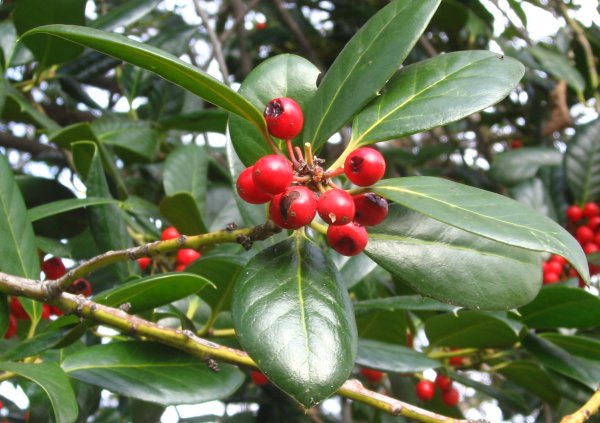
The one spot that was really birdy was the holly and magnolia collection. There was a flock of at least 50 robins feasting on the berries of the hollies and crabapples. They were joined by a few mockingbirds and flickers, plus a small contingent of Carolina chickadees and white-breasted nuthatches. A red-tailed hawk that cruised past did not put a damper on the festivities.

SPECIES SEEN: 27

Red-shouldered Hawk
Red-tailed Hawk
Ring-billed Gull
Rock Pigeon
Mourning Dove
Belted Kingfisher
Red-bellied Woodpecker
Yellow-bellied Sapsucker
Northern Flicker
Carolina Wren
Northern Mockingbird
Eastern Bluebird
American Robin
Carolina Chickadee
Tufted Titmouse
White-breasted Nuthatch
Blue Jay
American Crow
Fish Crow
European Starling
House Finch
American Goldfinch
Eastern Towhee
Song Sparrow
White-throated Sparrow
Dark-eyed Junco
Northern Cardinal

Sunday, December 03, 2006

Looking for Nuthatches, Finding Warblers

Late this morning I returned to the Arboretum for a walk and some birdwatching. I picked the meadows around the Capitol columns and the state tree grove as my area of focus, to see if I could find anything unusual there. As I passed along the south side of the meadow, I heard a nuthatch yanking in a nearby stand of pine trees. I went over to see what species was calling; it turned out to be a white-breasted nuthatch. As I was about to move on, a small yellow bird darted into view. I ran through the field marks quickly - yellow eye-ring, olive back, yellow breast with olive streaking - it was a pine warbler! I watched it for a while before losing it in another stand of pines a few yards away. The same tree where I spotted the nuthatch and pine warbler also held a male red-winged blackbird, in full regalia.

In the meadows I turned up lots of sparrows - few fields, a few songs, a few white-throats, and large flocks of juncos. A small flock of eastern bluebirds flew past the columns. I also spotted two eastern phoebes in the same meadows. Elsewhere, there was a red-shouldered hawk in Fern Valley and a pair of hooded mergansers in the large pond. There were also some large sparrow flocks in the boxwood area along Bladensburg Road. They were mostly the same species as before, plus a few towhees.

SPECIES SEEN: 31

Hooded Merganser
Red-shouldered Hawk
Ring-billed Gull
Rock Pigeon
Mourning Dove
Red-bellied Woodpecker
Yellow-bellied Sapsucker
Downy Woodpecker
Northern Flicker
Eastern Phoebe
Ruby-crowned Kinglet
Carolina Wren
Northern Mockingbird
Eastern Bluebird
American Robin
Carolina Chickadee
Tufted Titmouse
White-breasted Nuthatch
Blue Jay
American Crow
Fish Crow
European Starling
American Goldfinch
Pine Warbler
Eastern Towhee
Field Sparrow
Song Sparrow
White-throated Sparrow
Dark-eyed Junco
Northern Cardinal
Red-winged Blackbird

Sunday, October 29, 2006

Sparrows and Hawks at the Arboretum

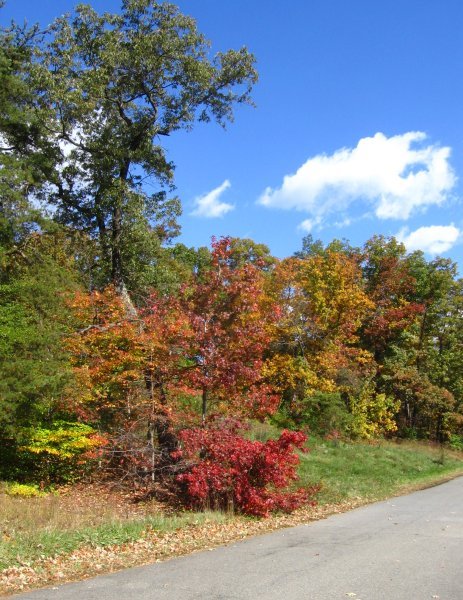
This morning I visited the National Arboretum to see some birds and enjoy the foliage. Several bird species are moving through in large numbers. Ruby-crowned kinglets were all over the Arboretum, in every bush and tree. Hermit thrushes were also plentiful. Several made me think they were other thrush species, but all turned out to be hermit thrushes in the end. Dark-eyed juncos are also back in large numbers; today I saw my first of the fall.

I was surprised to see a blue-headed vireo lingering in the Azalea Garden; I thought I had missed this species for the fall. I was also surprised to see two fox sparrows. (Usually I do not see fox sparrows until later in the fall.) These two birds let me watch for a long time as they thrashed about in the open. Like white-throated sparrows, fox sparrows noisily kick leaves behind them as they forage.

The meadows around the columns were very productive this morning. As I walked through them, a merlin whizzed overhead. It was followed by a sharp-shinned hawk, which turned several circles over the field before moving on. The Arboretum is replanting grass in a large section next to the columns. The bare ground here was being worked by palm warblers and eastern phoebes. Together the two species made for a flurry of tail-pumping.

Just before I left, I saw a very large flock of chipping sparrows just inside the treeline in the patch of woods near the bonsai display. There were about 50-60 of them in total - one of the larger chipping sparrow flocks that I have seen at the Arboretum. They forage in the grass and then duck back into the woods for cover.

Today was another beautiful day to be out, thanks to a string of good weather. Last week I thought that fall migration was winding down, but it looks like it still has some surprises left.

SPECIES SEEN: 33

Black Vulture
Turkey Vulture
Sharp-shinned Hawk
Merlin
Ring-billed Gull
Rock Pigeon
Mourning Dove
Red-bellied Woodpecker
Yellow-bellied Sapsucker
Downy Woodpecker
Hairy Woodpecker
Northern Flicker
Eastern Phoebe
Ruby-crowned Kinglet
Carolina Wren
Northern Mockingbird
Hermit Thrush
American Robin
Tufted Titmouse
White-breasted Nuthatch
Blue Jay
American Crow
European Starling
Blue-headed Vireo
Palm Warbler
Eastern Towhee
Chipping Sparrow
Fox Sparrow
Song Sparrow
White-throated Sparrow
Dark-eyed Junco
Northern Cardinal
Common Grackle

Sunday, October 22, 2006

Turning Towards Winter

As I walked through my usual route at the National Arboretum this morning, I had the sense that winter patterns are settling in. It has become noticeably colder in the last two weeks, and some trees are starting to turn. It is not peak yet by any means, but at least a few species are bright colors. While some neotropical migrants are still moving through, winter birds are taking over in greater numbers.

The biggest surprise was a scarlet tanager near the entrance to the Azalea Garden. It was moving through the upper portions of a tree underneath which white-throated sparrows were moving rapidly and calling. Today was the first time I have heard short snatches of the distinctive white-throated song this fall. Close by that group I saw a hermit thrush, also a first for the fall. Later on, I saw several more hermit thrushes. (I did not observe the foot-quiver behavior, though.)

Compared to the activity at the entrance to the garden, the rest of the hill was fairly quiet. I spotted a few ruby-crowned kinglets. Many more white-throated sparrows were busy in the underbrush, along with a song sparrow and numerous eastern towhees. Several small flocks of tufted titmice were chattering from the treetops all around the hill. Up at the top of the hill, I glimpsed what I thought was a falcon of some sort, but I could not get a good angle on it.

I combed through the meadows around the columns in the hope of finding a meadowlark, but to no avail. There were more sparrows of various species and many blue jays. One eastern phoebe perched on top of a withered stalk and flicked its tail while glancing around. It looked almost as aggressive as a kingbird in that posture. From the bus stop, I spotted one sharp-shinned hawk to complete the day.

SPECIES SEEN: 25

Canada Goose
Sharp-shinned Hawk
Red-shouldered Hawk
Ring-billed Gull
Rock Pigeon
Mourning Dove
Red-bellied Woodpecker
Eastern Phoebe
Ruby-crowned Kinglet
Carolina Wren
Northern Mockingbird
Hermit Thrush
American Robin
Carolina Chickadee
Tufted Titmouse
Blue Jay
American Crow
European Starling
House Sparrow
American Goldfinch
Scarlet Tanager
Eastern Towhee
Song Sparrow
White-throated Sparrow
Northern Cardinal

Saturday, October 07, 2006

Birding in the Rain

During the long, hot D.C. summers, I tend to forget just how cold 50 degrees feels when it is windy and overcast. Then one day in October I get a reminder. Today was one of those days. This week the temperature fell about thirty degrees in two days, from a high in the mid 80s on Wednesday to a daytime high in the low 50s yesterday. This morning felt even colder when I went over to the National Arboretum.

Birds are starting to switch from late summer species to mid-fall species at the National Arboretum. Today I had several first-of-the-fall species, including brown creeper, yellow-bellied sapsucker, and both kinglets. The white pines near the visitor center held a large flock of chattering golden-crowned kinglets. As usual with kinglets it was difficult to pin down the species, not because the two kinglet species have confusing field marks, but because the birds will not sit still. The one ruby-crowned kinglet I saw was on the far side of the Azalea Garden.

A few warblers are still moving through. I saw at least three black-throated blue warblers (two males and a female) and a few ovenbirds. Black-throated blue warblers tend to linger around D.C. in the fall. Last year, I saw them at the Arboretum well into November, after most other species in their family were long gone. I am glad they do stick around because I never get tired of watching this species. Unlike some other warblers, black-throated blues keep their colorful summer plumage in the fall. They are also an exception in not inducing "warbler neck," as they move around in middle-level foliage.

Unfortunately my time for watching warblers was cut off by the arrival of heavy rains. The initial downpour quickly lightened into a drizzle, but even that was enough to shut down most bird activity. So I wrapped up my birdwatching and left the Arboretum.

By the way, BirdLife International has declared this weekend as its annual World Bird Festival. It encourages birders to go out and visit Important Bird Areas over the next two days.

SPECIES SEEN: 24

Ring-billed Gull
Rock Pigeon
Mourning Dove
Red-bellied Woodpecker
Yellow-bellied Sapsucker
Downy Woodpecker
Northern Flicker
Eastern Phoebe
Golden-crowned Kinglet
Ruby-crowned Kinglet
Carolina Wren
Gray Catbird
Wood Thrush
American Robin
Tufted Titmouse
Brown Creeper
Blue Jay
European Starling
House Sparrow
Black-throated Blue Warbler
Ovenbird
Eastern Towhee
White-throated Sparrow
Northern Cardinal

Sunday, September 24, 2006

A Dark and Birdy Afternoon

It was a dark and stormy day....

This afternoon I visited the National Arboretum to see if any migrants lingered after the strong migration nights of last week. As usual I started in the Azalea Garden and worked my way around the hill. I was greeted with the customary large flock of American Robins. Among them was a Wood Thrush and at least three Swainson's Thrushes. (I saw more of each species along the trail on the other side of the hill.) Farther up the hill, I came across a patch of activity that included a Red-eyed Vireo and a Magnolia Warbler. Unfortunately the robins quickly moved in to squelch activity, so I saw no more warblers or vireos in that patch of the Arboretum.

A turn around the fields near and behind the Capitol Columns turned up little else. Even the American Goldfinches seemed to be in hiding, as I only saw one of that species. I need to get back there on a better day.

I did manage to get home before the rains hit. It looks like tomorrow morning may be better for birding than today.

SPECIES SEEN: 24

Ring-billed Gull
Rock Pigeon
Mourning Dove
Chimney Swift
Red-bellied Woodpecker
Downy Woodpecker
Northern Flicker
Carolina Wren
Northern Mockingbird
Swainson's Thrush
Wood Thrush
American Robin
Carolina Chickadee
White-breasted Nuthatch
Blue Jay
American Crow
European Starling
House Sparrow
Red-eyed Vireo
American Goldfinch
Magnolia Warbler
Eastern Towhee
Northern Cardinal
Common Grackle

Sunday, September 10, 2006

Arboretum Again

I visited the National Arboretum again this morning in the hopes of finding more birds than I did yesterday. Well, I saw some different ones, but overall I saw even fewer than yesterday. The only warbler I spotted was a chestnut-sided warbler, apparently my first at the Arboretum this year. Some other patches of activity turned out to be all common species - Carolina wrens, chickadees, titmice, and the like. Before I left I saw an immature Cooper's Hawk soaring high above the tree line. The full species list follows.

BIRD SPECIES SEEN: 27

Canada Goose
Turkey Vulture
Cooper's Hawk
Ring-billed Gull
Rock Pigeon
Mourning Dove
Yellow-billed Cuckoo
Red-bellied Woodpecker
Downy Woodpecker
Northern Flicker
Eastern Wood-Pewee
Carolina Wren
Gray Catbird
Northern Mockingbird
American Robin
Carolina Chickadee
Tufted Titmouse
White-breasted Nuthatch
Blue Jay
American Crow
European Starling
American Goldfinch
Chestnut-sided Warbler
Eastern Towhee
Song Sparrow
Northern Cardinal
Blue Grosbeak

BUTTERFLY SPECIES SEEN: 9

Eastern Tiger Swallowtail
Spicebush Swallowtail
Clouded Sulphur
Cloudless Sulphur
Gray Hairstreak
Common Buckeye
Monarch
Least Skipper
Sachem

Saturday, September 09, 2006

Migration? Not Quite Yet.

After hearing about migrants filtering through Rock Creek Park and other sites for the past week, I tried my luck in finding some of my own at the National Arboretum this morning. Last night must have been an off-night for migration, because migrants were fairly scarce on the ground (and in the trees).

The Azalea Gardens had a few big flocks of robins, especially on the lower portions of the hill. An ovenbird skulked along the side of the trail. Near the top I found a small mixed flock with a few black-and-white warblers and tufted titmice. A little further down the trail, there was a wood thrush.

The meadows behind and around the columns were the liveliest area this morning, mostly due to the large flocks of goldfinches, which sported a mix of breeding and nonbreeding plumages. One first winter blue grosbeak was in the brush across the street from the columns. (I have been quite pleased that blue grosbeaks have appeared consistently at the Arboretum this year.) Meanwhile a small flock of indigo buntings, mostly in winter plumage, were in the tall grass next to the columns. The same area held at least one field sparrow.

Elsewhere in the gardens I saw a Baltimore oriole.

Unfortunately, I forgot my camera this morning, so I have no photographs for this post.

BIRD SPECIES SEEN: 37

Turkey Vulture
Red-shouldered Hawk
Ring-billed Gull
American Herring Gull
Rock Pigeon
Mourning Dove
Chimney Swift
Red-bellied Woodpecker
Downy Woodpecker
Northern Flicker
Pileated Woodpecker
Eastern Wood-Pewee
Acadian Flycatcher
Great Crested Flycatcher
Carolina Wren
Gray Catbird
Northern Mockingbird
Brown Thrasher
Wood Thrush
American Robin
Blue-gray Gnatcatcher
Carolina Chickadee
Tufted Titmouse
White-breasted Nuthatch
American Crow
European Starling
American Goldfinch
Black-and-white Warbler
Ovenbird
Eastern Towhee
Field Sparrow
Northern Cardinal
Blue Grosbeak
Indigo Bunting
Common Grackle
Brown-headed Cowbird
Baltimore Oriole

BUTTERFLY SPECIES SEEN: 4

Eastern Tiger Swallowtail
Variegated Fritillary
Common Buckeye
Monarch